PCBU Protection
Can AI Really Write a Safe Work Method Statement?

Created by
Ian Cooper
Artificial intelligence is starting to show up in places most trades did not expect. One of those places is the Safe Work Method Statement. On the surface it makes sense. Writing SWMS takes time. It is repetitive. It often feels disconnected from the actual job. So when AI tools started producing clean professional looking SWMS in seconds plenty of people paid attention.
The real question is not whether AI can write a SWMS. It clearly can. The real question is whether that SWMS actually protects the people doing the work and the business standing behind it.
The problem most sites already live with
In most workshops and on most sites, SWMS are not written by the people doing the job. A supervisor or manager writes them. The document gets printed or sent around. Everyone signs it. Then the work starts.
The reality is simple. Most tradespeople do not sit down and read a multi-page method statement before picking up tools. They already know how to do the job. Safety often comes from experience instinct and awareness built over years on the tools.
This creates a gap. The document exists for compliance. The real safety knowledge exists in the heads of the people doing the work. When those two things are not connected the SWMS becomes paperwork not protection.
Why AI looks so appealing for SWMS
AI changes the starting point. Instead of copying a generic template from the internet or using an old one, an AI system can generate a SWMS that is directly related to the job.
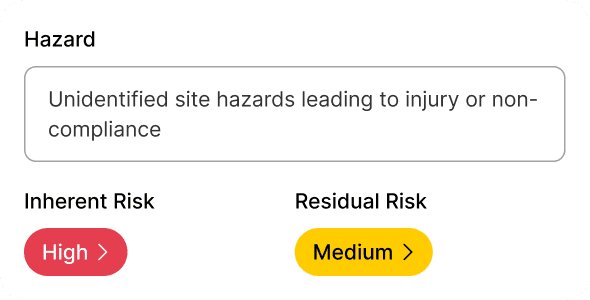
When an AI model has been trained on real trade data it can do something useful. Not just using ChatGPT in the general chatbox! It can include hazards that actually exist, when trained. It can reference the type of work being done. It can adjust language for a specific trade instead of using vague catch all wording.
This is where AI starts to look like a step forward rather than a shortcut.
The compliance challenge no one can ignore
This is where things get complicated fast. Safety in Australia is not one rule book. Each state has its own regulations. Each industry inside that state adds another layer. Then companies layer their own policies on top.
That creates a massive data problem. The AI has to know which state the work is in. It has to know which industry rules apply. It has to know what codes of practice are relevant. Getting one of those wrong is not a small error. It can invalidate the entire document.
From a compliance perspective a generic AI SWMS is dangerous. It might look right. It might read well. But if it misses a specific regulatory requirement it creates risk rather than reducing it.
Why the data problem is also the opportunity
Here is the upside that often gets missed. That massive complex data set is exactly what allows AI to be useful when it is done properly.
When an AI system is trained on structured real world data it can generate SWMS that are highly specific. Not just for a trade but for a specific task machine and environment. That is far better than downloading a generic SWMS online that was written for a different state or a different industry entirely.
The real risk today is not AI written SWMS. The real risk is generic SWMS that do not reflect the actual job. Many businesses are already exposed and do not realise it.
The missing link between paperwork and real work
Even the best SWMS is useless if it is not understood or updated periodically during the job. This is where most systems fail. They focus on producing the document but not on capturing how the job is actually done.
Trades do not need to be taught their job through a form. What they need is a way for their practical knowledge to shape the safety documentation around them.
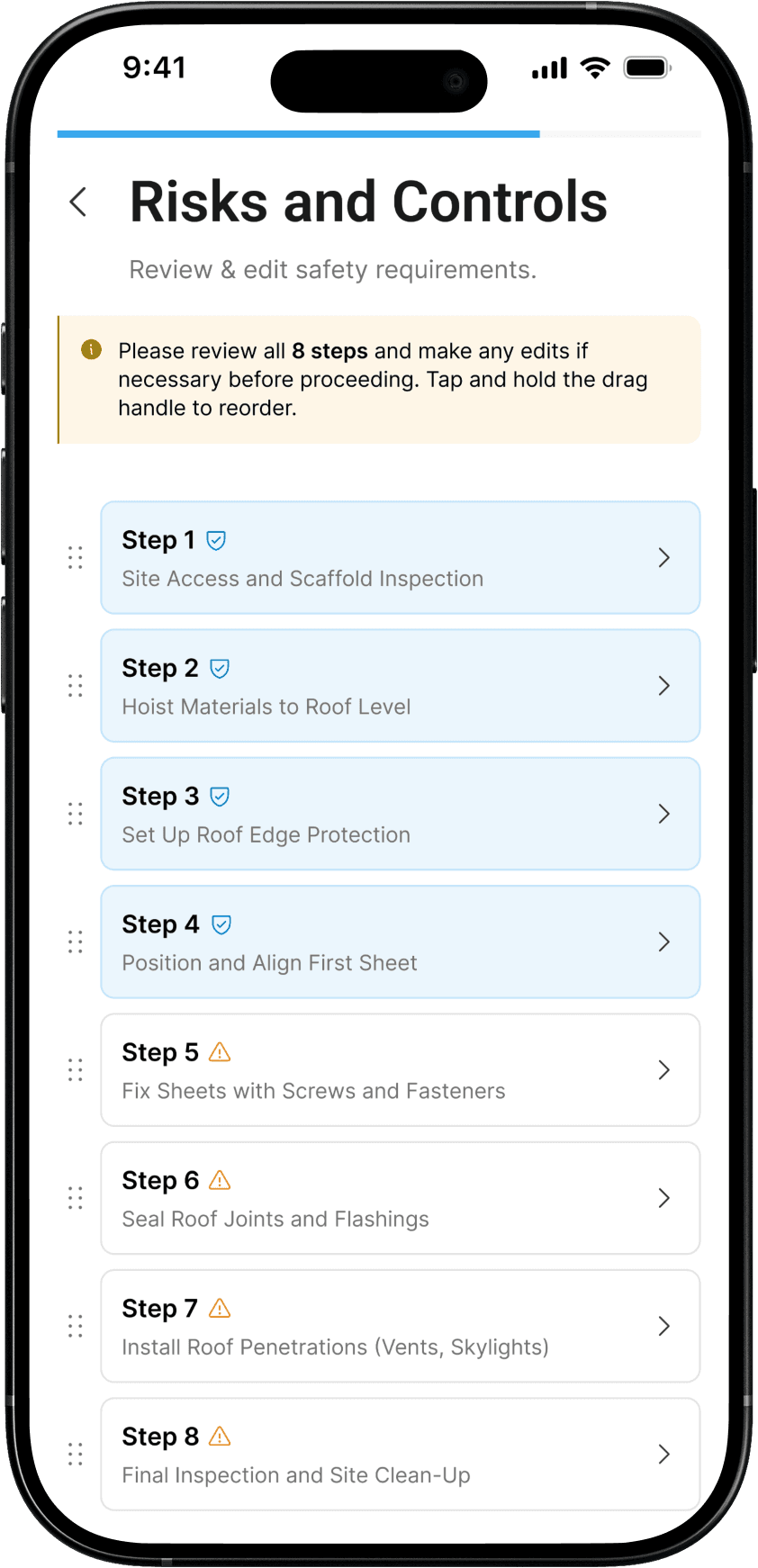
This is where systems like Workex take a different approach. Instead of starting with paperwork they start with the work itself. The SWMS becomes a reflection of real conditions not an abstract requirement.
When safety documentation is built from actual trade input it becomes more accurate and easier to stand behind if something goes wrong.
What good looks like going forward
AI will play a role in SWMS creation. That is inevitable. The winners will be systems that respect compliance complexity and trade reality at the same time.
The future is not AI replacing safety thinking. It is AI supporting it by pulling from verified data state specific rules and real trade experience. When SWMS are generated from that foundation, they become clearer more relevant and far safer than the generic documents most sites rely on today.
Good safety documentation should protect people first and businesses second. When AI is used responsibly it can help do both without adding more paperwork or confusion.
That is the real opportunity. Not faster forms but safer work built on real knowledge captured where the work actually happens.