Economy
Continuous Improvement Falls Apart Without Clean Data

Created by
Ian Cooper

When Improvement Efforts Lose Momentum
Anyone working in manufacturing has seen a continuous improvement initiative lose steam. The ideas were solid, the team was engaged, and leadership was committed. But over time the project drifted, the root causes became hazy, and the gains never stuck. Most people chalk it up to time or culture, but on the shop floor it usually comes down to something much simpler. The decisions were not built on clean, consistent frontline data.
How Small Gaps Undermine Progress
The problem shows up in small ways at first. A handover note is too vague to be useful. A fault explanation from the previous shift is missing context. A technician writes a short sentence instead of a full description because they are in a rush. When these small gaps compound across hundreds of tasks, improvement efforts lose their footing. Teams start making assumptions instead of decisions, and supervisors end up piecing together what happened instead of focusing on how to improve it.
This is not unique to one site. Manufacturing teams everywhere struggle with the same issue. Continuous improvement relies on patterns. Those patterns only emerge when frontline reporting is clear, consistent, and tied to the real work happening at the machine. Without that, even the most structured improvement process becomes guesswork, often based on memory, opinion, or incomplete notes.
Why Manual Workarounds Don’t Fix It
Many companies turn to meetings, emails, or extra spreadsheets to fill the gaps. But these methods depend heavily on individuals, and they do not preserve knowledge over time. What actually solves the problem is a system that captures what tradespeople see and understand in the moment. Frontline teams need simple ways to document faults, add context, record photos, and capture decisions while standing beside the machine. When information is captured at the source, improvement work becomes grounded in reality instead of interpretation.
The Role of Modern Digital Tools
Clean data strengthens decision making because teams can compare similar faults, understand what has been tried before, and see how an issue has evolved. Modern digital reporting tools make this possible without adding friction. Photo collections, QR linked machine histories, and quick note capture keep information structured while still feeling natural to use. When every technician can pull up the full story of a machine’s past fixes, they spend less time figuring out what happened and more time addressing the actual problem.
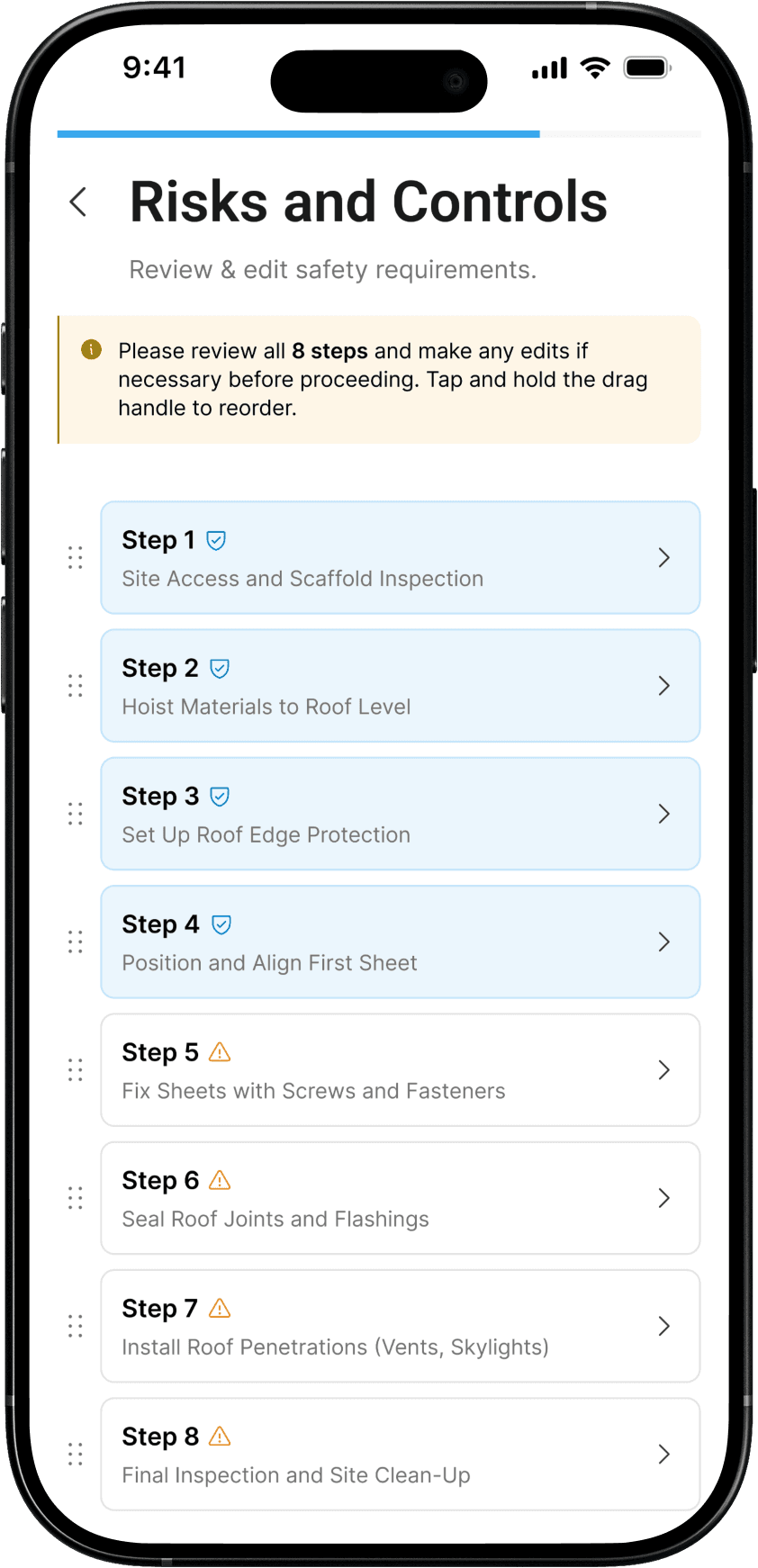
This is where systems like Workex provide practical support. Frontline teams can capture photos, document notes, and log faults on their phone without interrupting the job. Older tradespeople who prefer speaking can contribute through voice based capture. Every update flows into the machine’s history, which means continuous improvement teams finally have clean, traceable data to work from. Patterns become obvious. Recurring issues surface earlier. And discussions move from opinions to evidence.
The Momentum That Comes From Clarity
Once reliable reporting is in place, teams naturally move toward stronger improvement habits. Handover quality lifts, disputes decrease, and maintenance planning becomes clearer. Instead of starting each improvement cycle by trying to understand the past, teams begin with clarity. That clarity builds momentum, and momentum is what keeps improvement work alive long after the initial push.
Clean frontline data does more than tidy up reports. It protects the knowledge of experienced trades, reduces confusion between shifts, and gives every technician a better starting point. Continuous improvement only works when the foundation is solid. When reporting is fast, consistent, and easy to access, teams gain the confidence to solve problems properly and keep lifting performance over time.