Safety
Hidden Risks Behind Poor Incident Reporting

Created by
Ian Cooper
When Incident Reports Fall Short
You definitely know the frustration of dealing with unclear or incomplete incident reports. A job goes wrong, a piece of equipment fails, someone gets hurt or nearly hurt! and yet the follow up paperwork feels rushed, vague, or missing the detail that actually matters. The result is the same every time. People waste hours trying to understand what happened, and preventable mistakes keep repeating.
Anyone who has spent time on the tools or running a shift has seen it. Incidents get described in a single line. "Where is your permit to work", "Was this listed as a step on your SWMS?" The sequence of events is unclear. Sometimes the person reporting simply did not know what information was important. Other times they did not have an easy way to capture it on the spot. Over time these gaps compound into a serious operational risk.
The Real Cost to Operations
What many teams eventually realise is that poor incident documentation is not an inconvenience. It is a direct cost. It affects safety, exposes the business legally, slows down investigations, and weakens confidence between teams. When the record is unclear, everyone is left guessing, and guessing is expensive.
Manufacturing environments rely on clarity. Incidents need to be understood quickly so supervisors can deal with the immediate risk and prevent it from happening again. But traditional reporting methods make this difficult. Paper forms get lost. Long written descriptions are hard to interpret. Critical details such as photos, notes, or operator comments rarely make it into a central system. This is why manufacturers across Australia are reassessing how they capture and preserve information from the frontline.
How Digital Reporting Changes the Equation
Digital reporting matters most at the moment an incident happens, not hours later. When something goes wrong, people panic. Training gets forgotten. Steps get missed. That is how small incidents turn into serious ones.
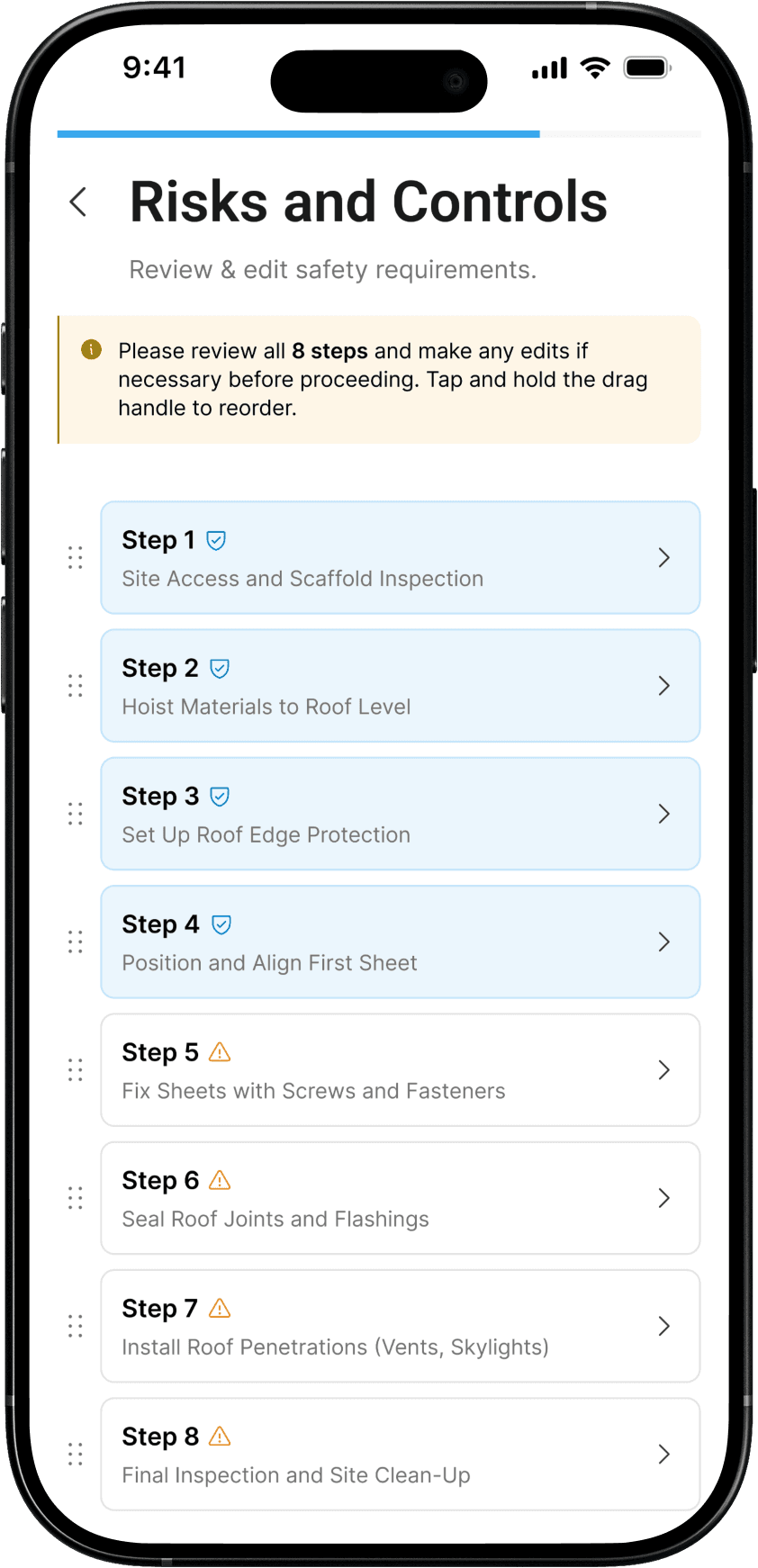
A good digital system removes that risk by guiding the response automatically. The moment an incident is logged, the right actions are triggered. Ambulance details are available. Supervisors are notified. Escalation steps follow the exact process set by the site. The tradesperson does not need to remember what to do. The system does it for them.
Workflows like this take pressure off the worker and put control back into the process. Everyone follows the same response every time, regardless of experience or stress level. That consistency is what improves safety outcomes. Not better memory. Not better writing. Just the right actions, in the right order, when they matter most.
Understanding Root Causes and Protecting Teams
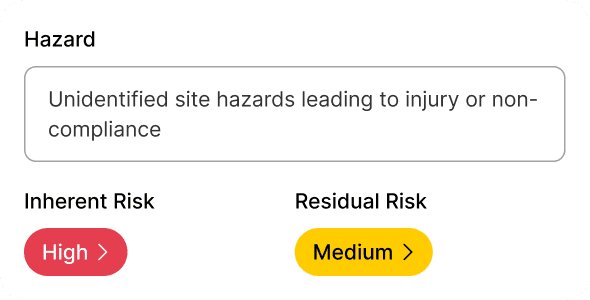
When data is captured this way, it becomes far easier for teams to evaluate what really caused the incident. Was it operator error, machine wear, a missed maintenance step, or a training gap. Instead of relying on memory or second hand conversations, the record tells the story. This is particularly valuable in complex environments where a single incident can affect multiple teams or shift cycles.
Modern documentation tools also protect workers and the business. Clear records reduce confusion during audits or disputes. They show that the organisation acted responsibly and responded appropriately. When the evidence is thorough, people feel safer, and supervisors can focus on improvement instead of defending incomplete paperwork.
Building a Safer, Smarter Operation
Taking action becomes much simpler when the information is trustworthy. Teams can address root causes quickly because everyone is working from the same source of truth. Nothing is filed away in a cabinet or trapped in someone’s notebook. Digital reports remain part of the long term knowledge base, strengthening the organisation with every incident captured.
In the end, good incident documentation is not about paperwork. It is about preserving knowledge that keeps people safe and machinery running. When reporting is clear, accurate, and easy to capture, incidents lead to improvement instead of repeated problems. That is how manufacturing teams build a safer workplace and a stronger operation, one well recorded event at a time.