PCBU Protection
Phone Based Reporting in Manufacturing

Created by
Ian Cooper
The Rise of Phone Based Reporting in Manufacturing
Anyone who has worked on a manufacturing site knows that paperwork has never kept pace with the work itself. Faults are found and fixed quickly, but the reporting often comes later when the pressure has passed and the details are already fading. Notes get written at the end of a shift and reports are completed long after the issue is resolved.
This delay creates a gap between what actually happened on the floor and what ends up recorded. Important context is lost, supervisors are left without clear answers, and fault finding becomes harder than it needs to be. Over time, the site loses a reliable history of its work, and risk increases quietly without anyone noticing.
A Quiet Shift on the Factory Floor
Over the past few years, a quiet shift has taken place. More tradespeople are turning to their phones as the most natural way to capture information in real time. It is not a trend driven by management or software companies. It is driven by the simple need to make reporting easier, quicker, and closer to the actual work. Using 'soft marking' as their preferred form of marking out.
Phone based reporting gives workers a way to record faults, capture photos, add quick notes, and preserve context while they are still standing in front of the machine. This aligns with the lived reality of manufacturing, where conditions change quickly and where the details of a fault matter just as much as the fix. Teams who once relied on scattered paperwork or vague handovers are now building a clearer picture of asset behaviour because information is captured while it is still fresh.
Capturing Knowledge Before It Disappears
The shift also helps companies validate a problem many already suspected. A large portion of operational knowledge has always lived inside people’s heads rather than inside systems. We know this?! When reporting relies on memory, accuracy drops and important details go missing. Phone based reporting reduces that loss by letting trades document the work in the moment, using the tools they already have in their pocket. It removes the delay between the fix and the report, and it prevents the slow drift of knowledge that happens when small details are forgotten.
Once teams see the benefit of capturing information in the moment, the focus shifts to making that information genuinely useful beyond the person who recorded it. Instead of scattered notes, jobs are documented with clear photos, guided templates, and records that stay tied to the exact piece of equipment they came from.
Over time, this creates a consistent trail that everyone can learn from, including senior trades and apprentices coming through. Patterns start to stand out. Teams can see what fixes last, what problems keep coming back, and why. Supervisors are no longer relying on memory or assumptions, they are working from real evidence built up over previous jobs.
From Convenience to Transformation
This is the point where phone based reporting moves from being convenient to being transformative. When reports are consistently captured at the machine and linked to the asset, teams no longer waste time searching through folders or asking around for equipment manuals. They can open their phone, scan a QR code, and see the entire history of issues, modifications, and previous fixes. With platforms like Workex, that same data feeds into an AI engine that analyses old reports, manuals, and technician notes to guide fault finding and help less experienced workers diagnose problems with more confidence.
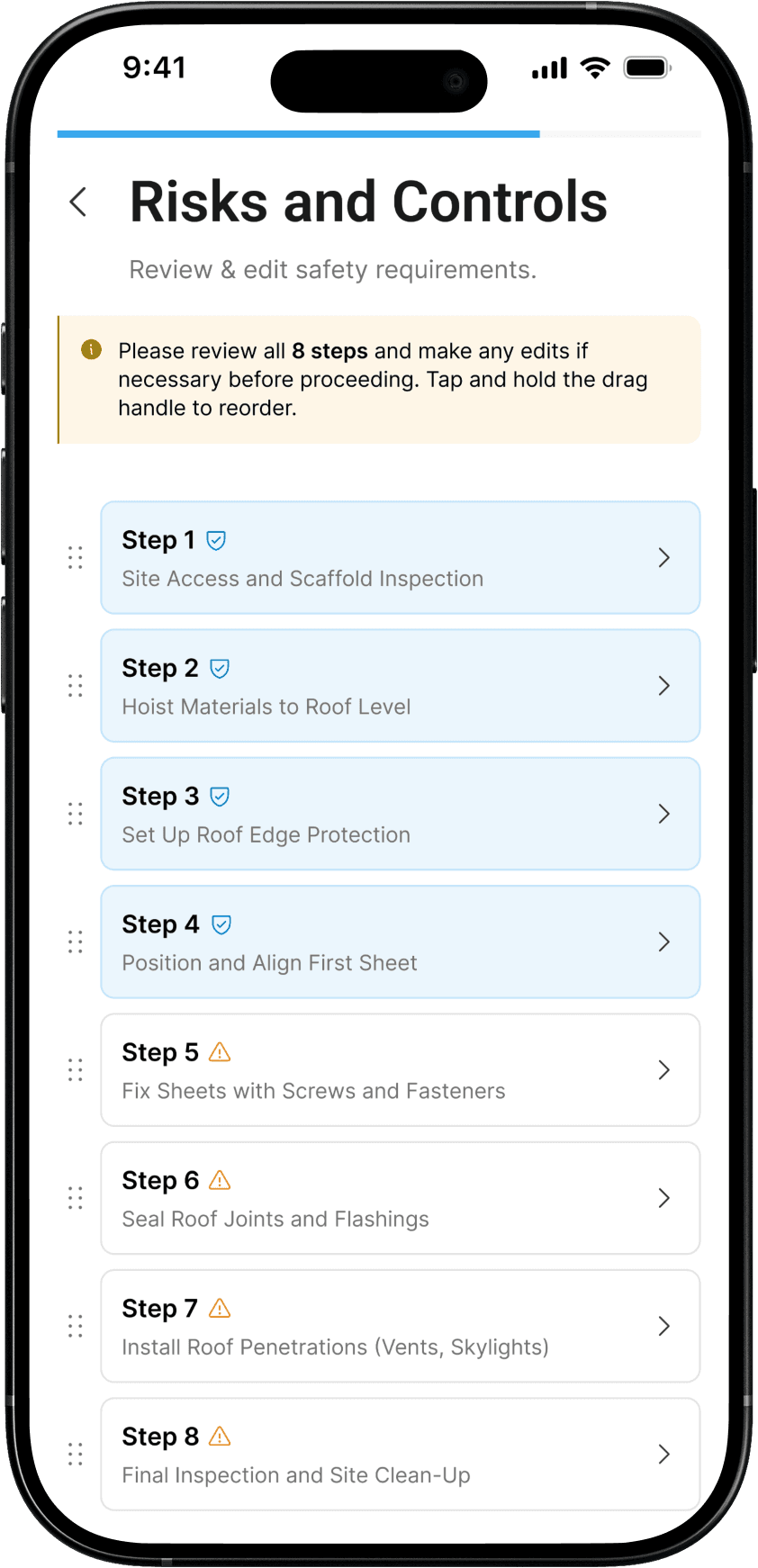
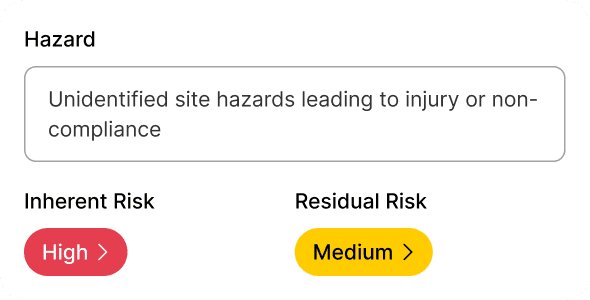
For decision makers, the difference is felt in fewer repeated faults, quicker recovery times, and better handovers between shifts. Phone captured photos and voice notes provide clear evidence if there is ever a dispute about what happened. Safety documents, permits, and SWMS can be completed on the same device, creating a consistent workflow that replaces scattered paper trails with reliable digital records.
Protecting Knowledge for the Long Term
The rise of phone based reporting is not just a technology shift. It is a shift in how manufacturing teams protect their knowledge and keep operations moving. When the reporting process is simple, people use it. When the information is useful, teams depend on it. When the system preserves that information long term, the business becomes more resilient.
In the long run, this approach gives manufacturing sites what they have always needed: a clear, trustworthy record of work and a way to make sure knowledge stays inside the organisation rather than walking out the door. With platforms built around real trade workflows, phone based reporting is becoming one of the most important tools for improving performance, strengthening communication, and safeguarding critical skills for the next generation.