Downtime Reduction
The Risks No One Talks About When Sites Rely on Paper Permits

Created by
Ian Cooper
Why Paper Safety Forms Fail on Modern Sites
For all the progress manufacturers have made in automation and digital control, it is still common to see frontline teams working with paper safety forms. Many tier one companies continue to rely on physical license cards, paper permits, and hard copy sign offs before anyone can touch a machine. On the surface it feels traditional and reliable. In practice it slows work, creates risk, and leaves too much room for confusion in environments that demand clarity.
Anyone who has worked on a busy plant floor knows the routine. A fitter or sparkie starts a job only to realise they need a paper permit. The permit book lives in an office on the other side of the site. The safety officer is somewhere else entirely. The worker spends more time walking, waiting, and chasing wet signatures than actually preparing the task. Hours are lost every week to a process that was supposed to support safety, not get in the way of productivity.
Paper’s Reliability Problems
Once you start looking closely the problems show up everywhere. Paper forms rely on legibility, clean surfaces, and careful handling. None of which match the reality of most manufacturing environments. When you work around oils, dust, vibration, wet floors, or high temperature processes, paper becomes a contaminant risk and a reliability issue. It can be soaked, torn, smudged, or simply misplaced. Even a small spill or draft can ruin a critical document. It is not uncommon for permits to go missing altogether, leaving teams exposed during audits or incident reviews.
Blind Spots and Missing Evidence
These issues are not minor. Paper processes create blind spots. A handwritten permit can be incomplete, out of date, or copied from the last job. A worker can feel pressured to fill something quickly just to keep production moving. There is no automatic record, no linked machine history, and no guarantee the information will ever be seen again. Paper allows manipulation through omission as much as through dishonesty. You cannot verify if the worker had the right card, the right competency, or the right information at the time. You end up relying on trust when you should be relying on evidence.
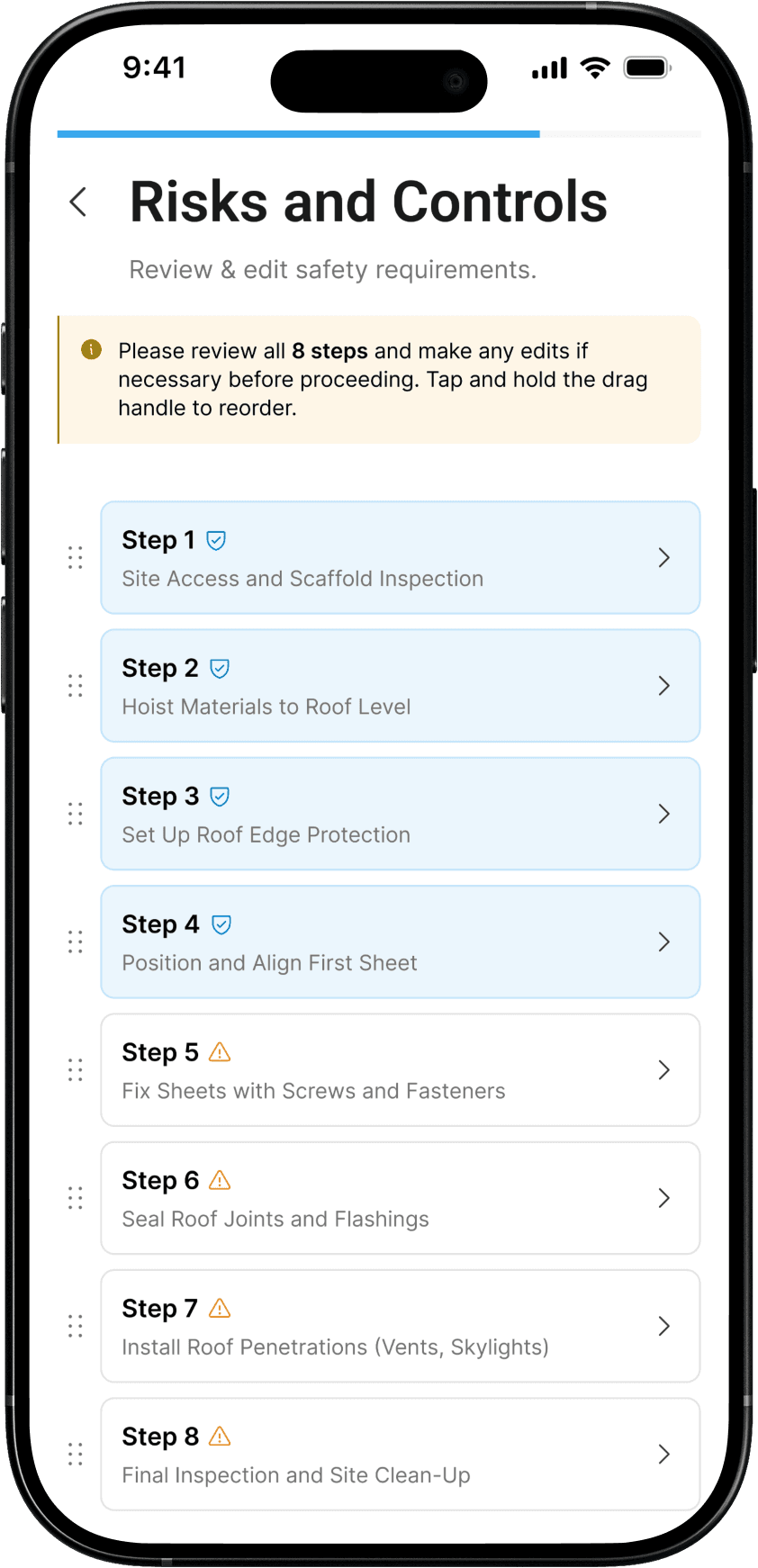
Most supervisors know the frustration. You cannot improve what you cannot see. When permits are scattered in folders, filing cabinets, or glove boxes, leaders lose visibility of the real risks on their plant. They also lose time through double handling because the same information has to be rewritten across multiple forms. This takes frontline workers away from productive tasks in an industry where every minute of downtime matters. As Workex shows, modern manufacturing benefits when the frontline can capture information quickly through photos, notes, or voice reporting on their phone, with everything automatically saved into a structured system that builds machine histories over time.
Digital Tools Bringing Clarity
Mobile tools also remove the need for physical license cards and hard copy permits to prove competency. When a worker can scan a QR code on a machine and instantly see its full history, along with linked safety documents and verification requirements, there is no hunting for folders or chasing someone for the correct form. Digital reporting pulls safety into the workflow rather than around it.
Once teams see the alternative, the improvement is obvious. Digital permits cannot be stuffed in a pocket and forgotten. They cannot be smudged with grease or destroyed by weather. They cannot be quietly altered after the fact. Systems like Workex protect the record by linking every action to time, place, and machine. They remove the opportunity for shortcuts and replace it with clarity. They also help workers who speak English as a second language by translating reports and instructions, which reduces errors on multicultural sites and supports a more confident workforce.
The Shift to Phone-Based Safety Workflows
When safety documentation moves from paper to a phone based workflow, teams stop wasting time walking around a site for signatures. They get clear guidance, easy access to past issues, and a reliable record that cannot be lost. This is how modern manufacturing stays organised, protects itself during disputes, and maintains compliance without slowing production. It also preserves the knowledge of experienced trades by capturing their notes and explanations in a system designed to store and surface that information when the next worker needs it.
Paper had its place in the past. Today the work is faster, the risks are higher, and the expectations are greater. Digital reporting gives teams the confidence that their safety processes are accurate, accessible, and protected. When nothing is lost and everything is connected, work becomes safer and performance becomes more consistent. That is the standard frontline teams deserve.