Downtime Reduction
Using Practical Evidence to Keep Your Business Out of Disputes

Created by
Ian Cooper
The Problem Behind Workplace Blame
In most cases, the real problem is not the people doing the work. It is poor or outdated processes that have been accepted simply because “that’s how it’s always been done,” which leads to gaps in evidence, confusion, and repeated issues... Anyone who has spent time in a workshop or production plant knows how quickly blame can land on the wrong person. A machine goes down, a shift hands over a half finished repair, or a fault reappears after a weekend shutdown, and suddenly everyone is trying to work out who did what and when.
When evidence is thin, stories fill the gaps. Supervisors rely on memory, trades rely on verbal updates, and managers are left piecing together what happened from scattered notes or half completed paperwork. Most teams have been caught in this cycle, and it creates frustration long before it creates improvement. This is a common problem across manufacturing because so much of the work still depends on handwritten notes, passing conversations, or isolated phone photos that never make it into a shared system.
Why Clean, Verifiable Evidence Matters
Once you step back and look at it, the solution is straightforward. Teams need clean, consistent, and verifiable evidence of what was done, what was found, and what decisions were made at the time. When information is captured properly, arguments become investigations and investigations become learning. Digital reporting makes this practical without slowing anyone down. A quick photo of an issue, a couple of spoken notes, or a short description captured on the spot is often enough to protect a tradesperson and a business when questions come later.
How Structured Reporting Tools Change the Game
This is where structured reporting tools make a difference. A system that immediately links photos, findings, and notes to a machine’s QR code removes confusion. Everyone can see the timeline of past faults, what work was carried out, and whether an issue was repeating. Even simple features like photo collections or voice notes matter because they show the condition of the equipment at the exact moment the tradesperson was standing in front of it. That level of detail helps avoid finger pointing and keeps the focus on facts instead of assumptions.
A Calmer, More Consistent Way to Make Decisions
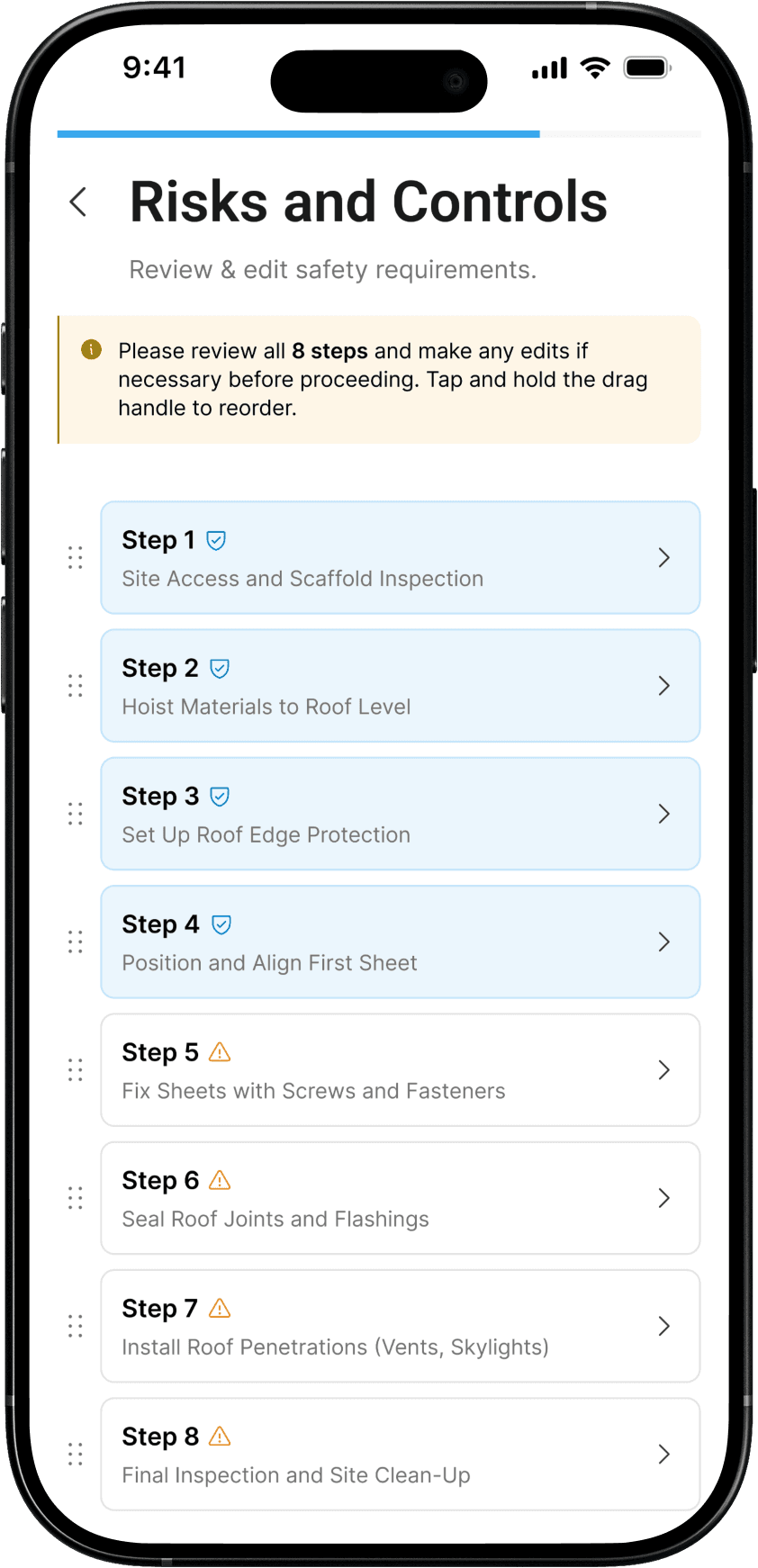
Teams that adopt these practices find their decision making becomes calmer and more consistent. Modern tools that support photo evidence, phone based knowledge capture, and AI assisted summaries turn everyday reporting into something reliable. A shift handover becomes a clear record instead of a rushed conversation. A recurring fault becomes easier to diagnose because the past work is already laid out. QR linked machine histories give supervisors instant access to what happened yesterday, last week, or six months ago. This is how a business stays protected without adding barriers or extra administration to the trades doing the work.
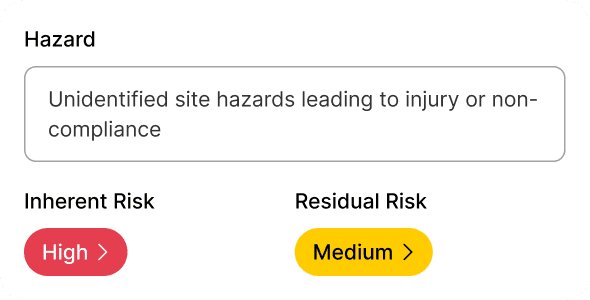
Better evidence also encourages people to act. When reporting is simple, it gets done. When reporting gets done, the business builds a record that stands up during audits, disputes, or warranty claims. It supports compliance because nothing has to be recreated later. It supports safety because people can see hazards and past incidents directly on their phone. And it protects teams because there is always a clear account of what actually happened.
The Long-Term Value of Consistent Reporting
Over time, the value only grows. As more reports come in, the knowledge becomes stronger. The patterns become visible. The lessons become part of the business instead of walking out the door when someone retires or moves on. Clear evidence not only keeps blame away from the wrong people, it strengthens the entire operation.
In the end, good evidence gives your team confidence. It removes doubt, it cuts out arguments, and it helps everyone focus on doing quality work. For manufacturing businesses that want to operate safely and reliably, building a culture of consistent digital reporting is one of the simplest and most protective steps you can take. So take the step forward and contact us today.