Skilled Trades
What Strong Leaders Expect to See in a Trade Report

Created by
Ian Cooper

In every manufacturing environment, the quality of trade reporting shapes how well a site performs. Leaders rely on reports to understand risk, trace faults, and keep production moving. When those reports are unclear or incomplete, everything downstream becomes harder. Work delays increase. Miscommunication spreads. Teams waste time retracing steps simply because the original information was not captured properly.
Most supervisors and maintenance managers know this experience all too well. They are not looking for perfect writing or polished formatting. They just need reporting that genuinely reflects what happened on the job. The reality is that the strength of a report often determines the strength of a decision that follows.
Clarity That Reflects Real-World Conditions
Good leaders look for a few consistent things. The first is clarity. They want to see what the tradesperson saw. They look for photos, practical notes, clear evidence, and a simple explanation of the issue. They want to know how the fault was found, what was tested, what was ruled out, and why the final decision was made. When this information is missing, leaders are forced to make assumptions, and that is where mistakes occur.
Consistency That Reveals Patterns
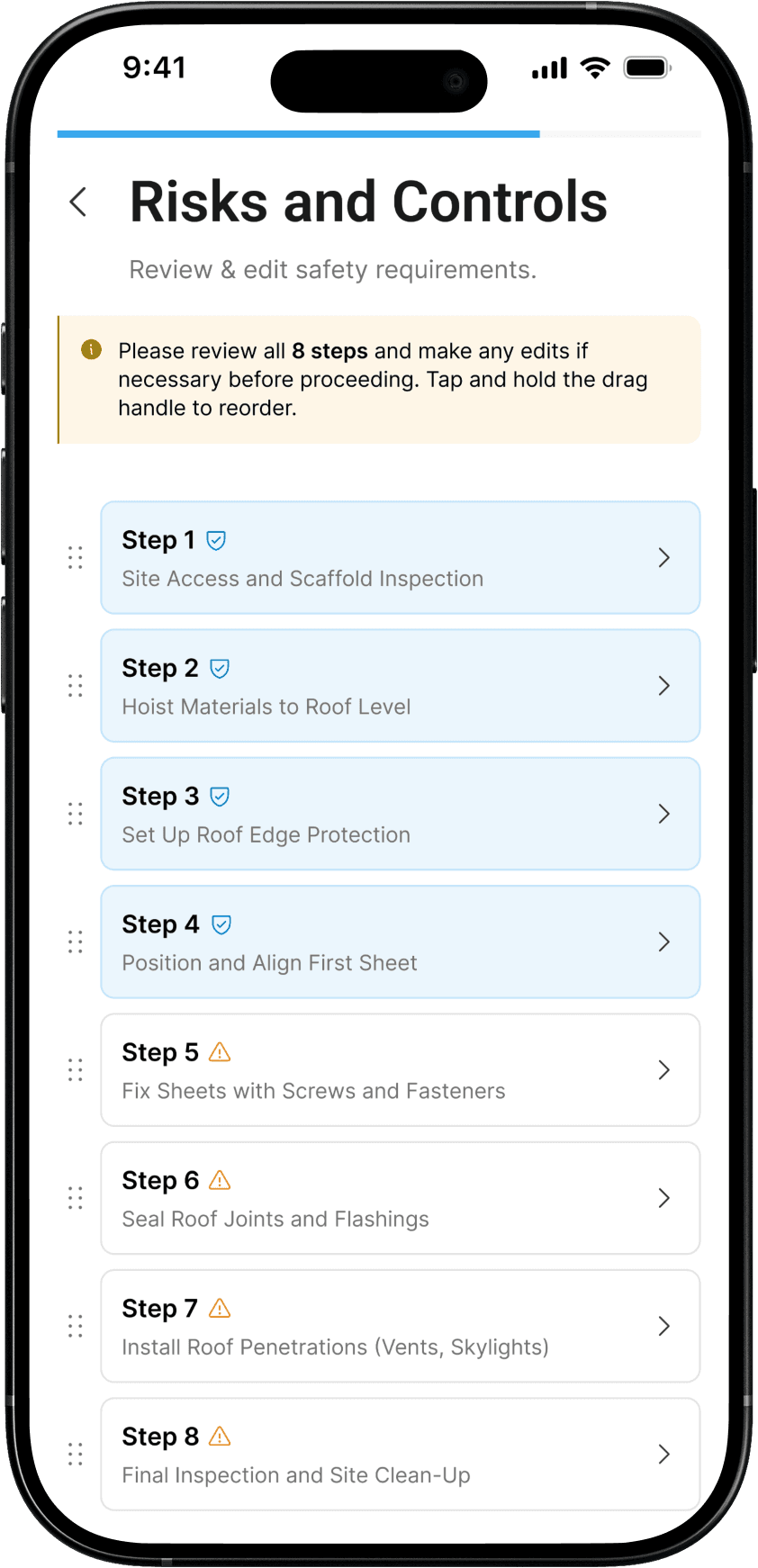
Leaders also check for consistency. When reports follow structured steps, issues become easier to compare. Patterns become visible. Recurring faults across shifts can be spotted sooner. That consistency is hard to achieve when everyone is working from memory or using different reporting styles. This is where digital templates, guided steps, and photo based reporting become important because they remove guesswork and help every worker record the right information at the right time.
Context That Connects Past and Present
Another thing leaders look for is context. They want to know what happened previously on the same equipment. They want to understand whether an issue is new or part of an older problem. Traditionally this required digging through folders, old emails, shift books, or verbal updates. Modern systems make this easier by linking each report to a machine’s full history. By scanning a QR code and seeing previous faults, test results, modifications, and fixes, leaders can validate what they are reading and confirm whether the diagnosis makes sense.
Evaluating Reporting Methods
At the evaluation stage, leaders naturally compare the value of different reporting methods. Paper notes, whiteboards, and text messages might get the job done in the moment, but they rarely hold up under pressure. They get lost. They cannot be searched. They break down the moment someone changes shifts or leaves the business. Digital reporting, on the other hand, captures evidence, keeps it in one place, and turns it into something a team can trust. When supported by systems like Workex, these reports become even more useful because photos, notes, and spoken descriptions are transformed into structured records that feed directly into handovers, toolbox talks, and compliance documents.
Why Reporting Strength Determines Operational Strength
Eventually leaders reach a natural conclusion. Clear, consistent, and accessible reporting is not a luxury. It is a requirement for safe and reliable operations. Modern tools outperform traditional methods because they protect information instead of letting it vanish across shifts. They reduce confusion, help teams collaborate faster, and prevent the expensive downtime that comes from repeating the same mistakes.
When leaders review reports, they look for information that removes doubt. They look for detail that helps them make the right call when time is tight. By using systems that support photo evidence, natural language reporting, QR linked histories, multilingual notes, and AI assisted diagnostics, teams give leaders what they need without increasing the workload on the frontline.
Strong reporting makes work safer. It protects teams during disputes. It strengthens compliance without adding paperwork. Most importantly, it preserves the practical knowledge that keeps a manufacturing site running. Leaders know that when reporting improves, everything else improves with it.