Downtime Reduction
Why Clear Reports Protect Your Business and Your Team

Created by
Ian Cooper

What A Report Can Prove Without A Single Word
Most disputes with trade work do not come from major failures, they come from uncertainty. Someone makes an assumption about what happened on a job, a detail gets missed, or a manager is forced to make a call without the right information in front of them. When the only record is a handwritten note or a rushed end of shift report typically verbal, the truth can be hard to prove and even harder to agree on.
Anyone who has supervised a team or managed a site knows this problem well. When reports lack evidence, every discussion becomes opinion versus opinion. That is when unnecessary tension creeps in and the business is left exposed. This is why photo backed reporting has become a standard expectation across manufacturing. A clear photo tells the story without the writer needing to defend it. It shows the condition of the equipment, the exact work completed, and any hazards that were present. It protects the tradesperson and the company. More importantly, it closes the gap between what happened and what was recorded.
Most businesses already rely heavily on reports to understand their performance. Everything from maintenance results to audit checks to safety actions are tracked through documentation. These reports guide decisions, justify budgets, and demonstrate due diligence. The problem is not the need for documentation. The problem is the tools that teams are still using to create it.
Paper based forms and static digital checklists do not meet today’s expectations. They cannot capture photos properly. They cannot store a machine’s history. They cannot help trades communicate real context. And when a dispute does happen, they rarely provide enough detail to settle things quickly.
This is where modern digital reporting systems change the conversation. When a team can build out any paper form they currently use and attach photos directly inside it, reporting stops being an admin task and starts becoming protection. A simple maintenance checklist becomes a clear record of what the technician saw. A quality check becomes a visual confirmation. Even a quick Take Five becomes stronger when the worker can photograph the environment and show what risks were actually present.
Many companies already try to attach photos to their reports through separate apps or messaging tools, but that creates a new problem. The evidence becomes scattered. Images end up on personal phones, shared drives, or email threads with no link back to the job. What decision makers want is a single place where the form, the photos, the notes, and the machine history all sit together. They want reporting that makes sense and can be trusted.
Systems like Workex are built around this exact need. Rather than forcing trades to jump between apps or fight with rigid software, the platform lets teams build their own templates, attach photos as part of the workflow, and save everything directly to the machine or job. Supervisors can open a report and instantly see the condition before and after the work. Managers can track long term performance with confidence. Nothing is lost and nothing is questioned.
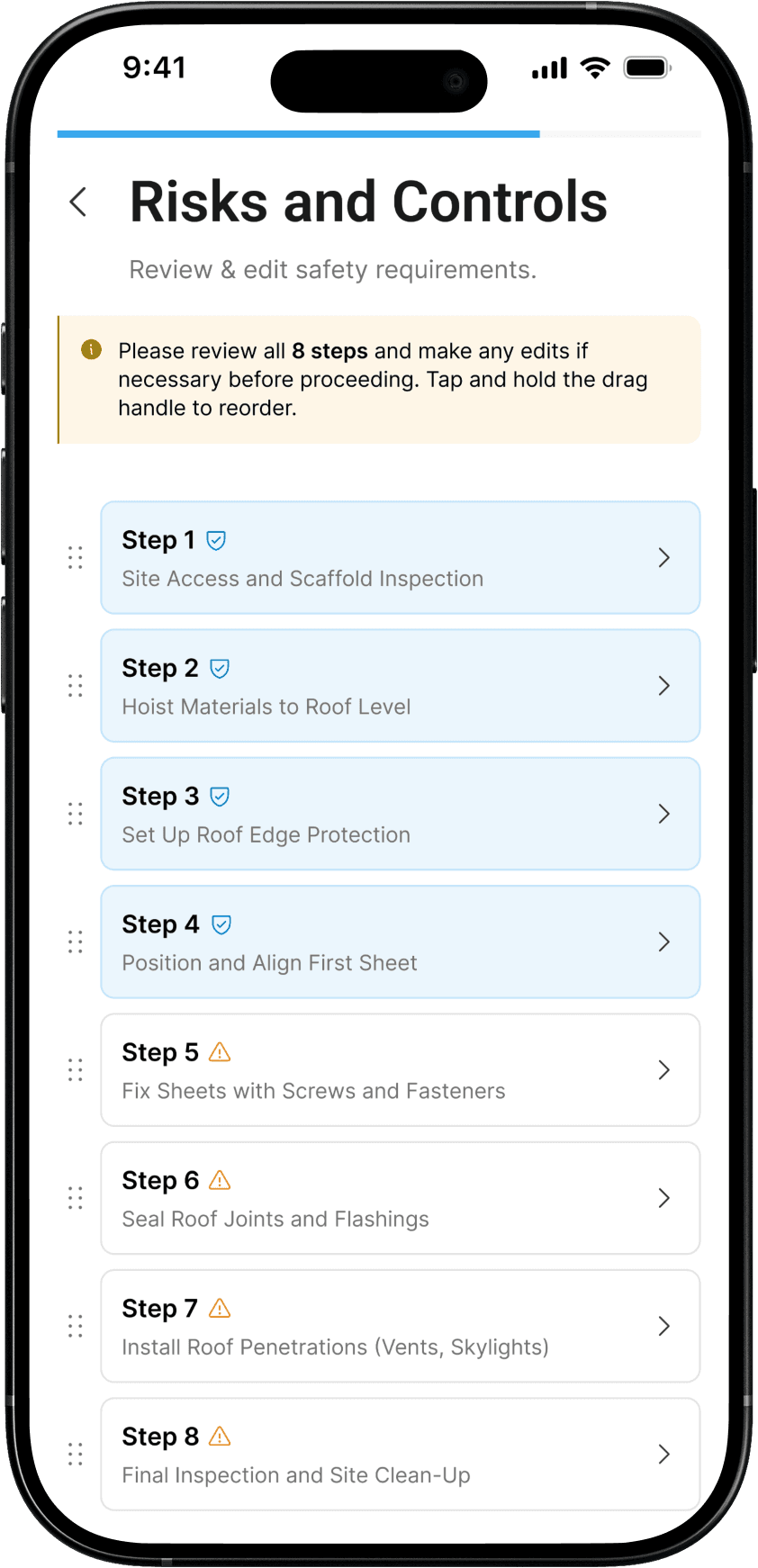
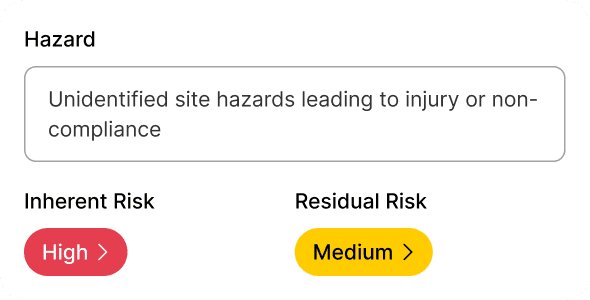
This also extends to safety documentation. Many teams still complete Take Fives, SWMS, and pre start checks on paper. When these documents move into a digital template library, they become easier to complete and far more reliable. Workers can photograph hazards, upload evidence of controls, and provide a record that stands up during audits or investigations. It is a simple change that makes safety reporting practical, consistent, and far more transparent.
When a company reaches the point where they are already building reports and attaching photos, they usually discover that their tools are the limiting factor. They need a system that lets them shape their own templates, capture evidence on the spot, and link everything to real equipment history. There are not many platforms that make this simple. Workex does because it was built from the ground up for frontline trades, not office administrators.
Clear reporting is not paperwork. It is protection. It shields the worker by proving the condition they walked into. It shields the business by showing the work was done properly. And it builds a reliable record that supports long term improvement instead of guesswork.
Over time this kind of reporting becomes one of the most valuable parts of a manufacturing operation. It strengthens trust between teams, reduces confusion, and gives decision makers a cleaner view of what is really happening on the floor. When evidence is captured accurately and stored in a structured system, performance becomes easier to measure, risks become easier to manage, and disputes rarely last long enough to become problems.
The companies that invest in clear, photo backed reporting do it for one reason. They want certainty. And certainty is what keeps teams safe, keeps operations honest, and keeps the business moving in the right direction.