Safety
A SWMS Is Not an Admin Exercise

Created by
Ian Cooper

A SWMS is not meant to be an admin exercise. Under WHS regulations it is required for high risk construction work because it is supposed to capture how a specific job will actually be done. It should identify the real hazards. It should spell out the controls that will be used on that site with that equipment and that crew. Once it is signed and used it becomes a legal document that will be examined closely if something goes wrong. When the document does not reflect reality it stops being protection and starts becoming evidence.
What a SWMS Is Meant to Do
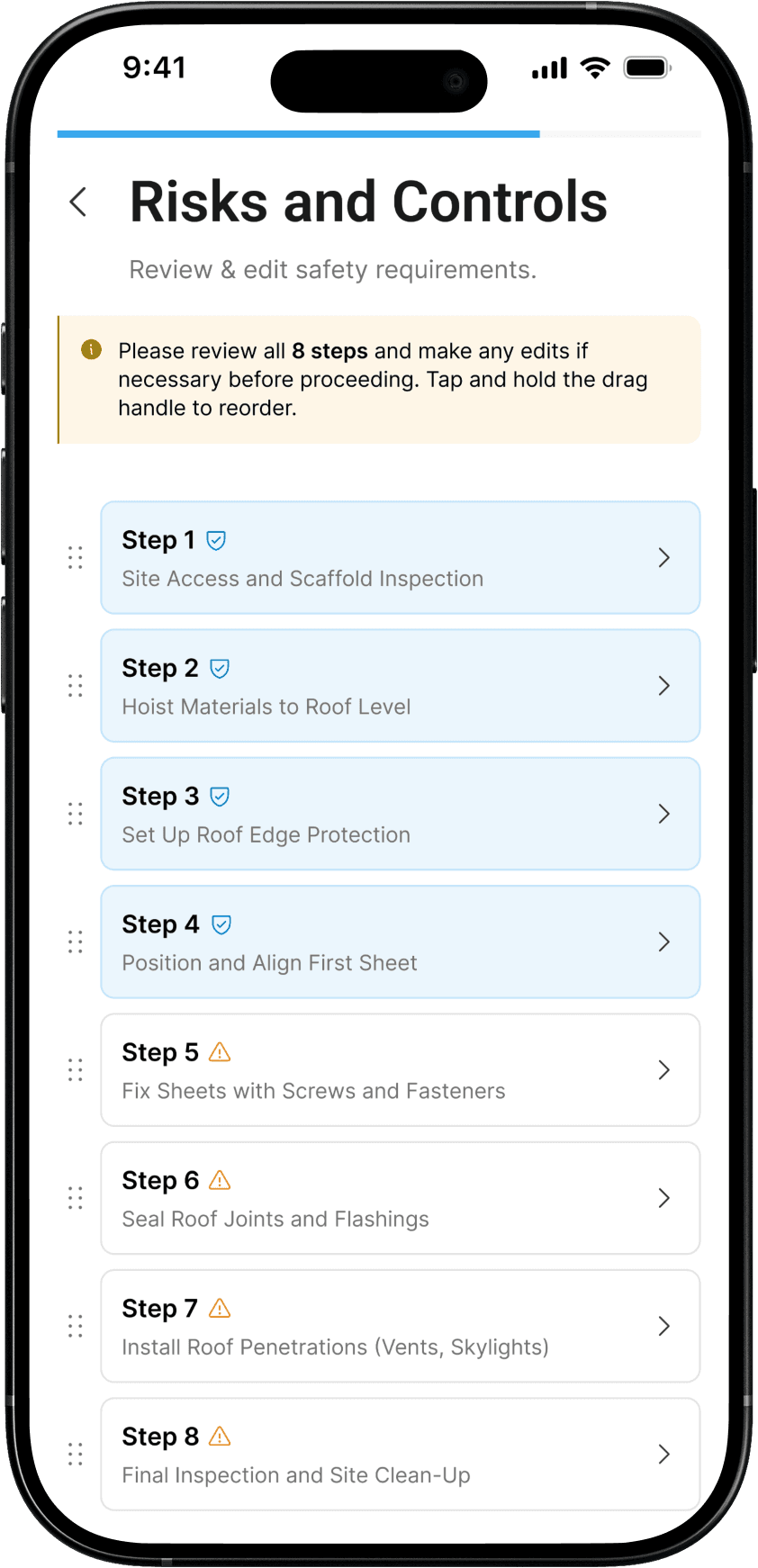
At its core a SWMS is a planning tool. It forces the team to slow down before work starts and think through the job step by step. What are the high risk activities. What controls are required. Who is responsible for each part of the work. What could realistically go wrong and how is that risk reduced.
When done properly it also becomes a shared reference point. Supervisors know what they are meant to check. Workers know what controls should be in place. Management can show they exercised due diligence by making sure the risks were assessed and communicated.
Once it is signed on site it becomes part of the legal record. It will be used in incident investigations. It will be reviewed in regulator audits. It will be pulled apart in court if a serious injury occurs. That is why accuracy matters.
Where Templates Go Wrong
Templates are not the enemy. They are useful as a starting point. The problem is that many construction companies never move past the starting point.
Generic templates rarely match the real job. Controls are listed that do not exist on site. The sequence of work is copied from another project. Equipment described is different to what is actually being used. Site conditions change but the document never does.
Because the paperwork always looks the same workers stop engaging with it. They sign without reading because nothing ever changes. Over time the SWMS becomes a formality rather than a risk control.
'From the outside it looks compliant. In reality it is disconnected from the work.'
The Compliance Risk of Templated SWMS
After an incident the question is not whether you had a SWMS. The question is whether it was fit for purpose.
Investigators and regulators look for evidence that the document was reviewed with workers and followed on site. Courts look at whether it reflects a genuine risk assessment or a copy and paste exercise. A templated SWMS that does not match the task can be used to show a lack of due diligence.
That exposure does not stop at the company level. Directors and officers can be questioned. Site supervisors can be scrutinised. Principal contractors can be drawn in if subcontractor systems are weak. Saying we had a SWMS is not a defence if it clearly does not reflect what was happening on site.
What Gets Examined After an Incident
When something goes wrong the first documents pulled are usually the SWMS, permits, pre starts and toolbox talks.
Investigators check whether the SWMS was site specific. Whether it was reviewed with the workers doing the job. Whether the listed controls actually existed and were used. Whether the document was updated when conditions or scope changed mid job.
If the paperwork does not line up with reality credibility drops quickly. Poor documentation often becomes evidence of poor systems even if the work itself was mostly done right.
Why Accurate SWMS Improve Compliance
A relevant SWMS improves more than compliance. It improves how work is planned and supervised.
It forces proper thinking before work starts. It highlights the high risk steps that need attention. It sets a clear baseline for what supervisors should be checking during the job. It gives management a defensible record that shows risks were identified and controlled.
When audits happen the conversation is easier because the evidence exists and it makes sense. There are fewer gaps to explain and fewer red flags raised by inconsistent documents.
What Audit Ready Documentation Really Means
Audit ready documentation is clear, current, site specific and easy to retrieve. It shows review and sign on. It links logically with permits, training records, inspections and incident reports.
Auditors look for consistency across all of these records. When a SWMS says one thing and a permit or inspection record says another it raises immediate questions about how the site is actually being run.
Tier one contractors are especially sensitive to this. They expect job specific SWMS, version control, evidence of consultation and clear links between safety documents. Poor paperwork is one of the fastest ways to be removed from a vendor list.
Strong documentation on the other hand builds trust and leads to repeat work.
Why Systems Matter Not Just Documents
This is where many companies struggle. Even when they want to do better the process is slow and clunky. Paper based systems make updates hard. Files get lost. Older versions circulate. Site teams fall back to templates because it is faster. Digital systems change that equation.
When SWMS are created and reviewed digitally they can be updated quickly when conditions change. Photos and notes can be attached to show controls are actually in place. Sign on records are time stamped. Everything is stored in one place and easy to retrieve during an audit or investigation.
Platforms like Workex treat SWMS as part of daily operations rather than standalone admin. Safety documents sit alongside permits, inspections, handovers and incident reports. Information captured on site feeds into a consistent record that reflects what really happened not what was meant to happen. That consistency is what tier one clients look for. It signals maturity, control and reliability.
The Point That Matters Most
A SWMS by itself does not protect anyone. A relevant, accurate and used SWMS does.
Templates are fine as a starting point but every job still needs a real risk review. Workers should recognise their own job when they read the document. If conditions change the SWMS must change too.
Companies that treat documentation as operational rather than admin stay compliant and stay in work. Audit ready systems are often what separate small operators from tier one contractors because they prove that safety is being managed on site not just filed away.