PCBU Protection
What is the PCBU?

Created by
Ian Cooper

What is the PCBU responsibilities in a Worksite?
In manufacturing and trade environments, safety is not a side task. It sits in the middle of daily operations. Machines are running, contractors are moving through site, apprentices are learning, and production targets still need to be met. In that environment, someone carries the legal and practical responsibility for making sure people go home safe.
That person or entity is known as the PCBU.
What Does PCBU Mean?
PCBU stands for Person Conducting a Business or Undertaking. It is a term used under work health and safety laws to describe any individual or organisation running a business.
A PCBU can be:
A company
A sole trader
A partnership
A self employed contractor
A business owner
Someone who controls or manages a workplace
It does not matter whether the operation is large or small. If you are running the business, you are likely a PCBU.
You are not considered a PCBU if you are only engaged as a worker or officer, an elected member of a local authority, a volunteer association, or a residential strata body corporate managing common areas.
On most worksites, the PCBU is the business itself, represented by directors or senior leaders who control how work is carried out.
The Primary Duty of Care
The core responsibility of a PCBU is called the primary duty of care. In simple terms, this means the PCBU must ensure, so far as is reasonably practicable, that the health and safety of workers and others is not put at risk by the work being carried out.
This includes:
Employees
Contractors and subcontractors
Labour hire workers
Apprentices and trainees
Work experience students
Volunteers
Visitors and customers
In a manufacturing environment, this responsibility is broad. It covers guarding machinery, safe access walkways, fatigue management, training, maintenance practices, and clear communication between shifts.
PCBU duties are non transferable. You cannot contract your way out of safety obligations. Even if you engage subcontractors, you still carry responsibilities for ensuring risks are managed.
In complex sites where multiple contractors operate, there may be more than one PCBU. Each must consult, cooperate, and coordinate activities to manage shared risks.
What Does This Look Like on a Real Worksite?
On paper, duty of care sounds straightforward. In reality, it requires structured systems.
A PCBU must:
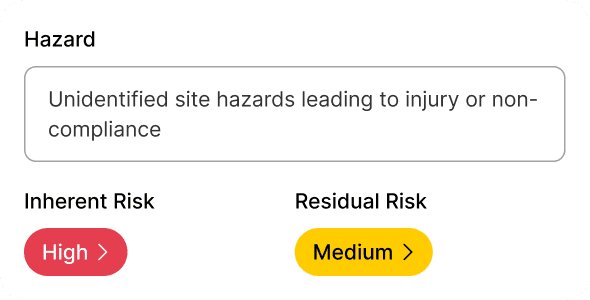
Identify hazards
Assess risks
Implement control measures
Provide safe systems of work
Ensure training and supervision
Maintain plant and equipment
Consult with workers
Monitor workplace conditions
Review controls regularly
In manufacturing, many incidents happen not because people do not care, but because information is lost, assumptions are made, or communication breaks down.
A machine fault gets fixed but details are never recorded properly. A near miss is mentioned verbally but not documented. A modification is made to equipment but not linked to updated procedures. Over time, those gaps create exposure.
"For a PCBU, poor reporting is not just an administrative issue. It is a legal risk."
Why Traditional Safety Systems Fall Short
Many sites still rely on paper forms, scattered spreadsheets, or generic systems that sit on a desktop computer in the office. The problem is not that safety documents do not exist. The problem is that frontline trades often do not engage with them in a practical way.
If reporting takes too long or feels disconnected from real work, it gets rushed or skipped. In high pressure environments, that creates a gap between what is supposed to happen and what actually happens. For a PCBU, that gap is where liability sits.
How Digital Reporting Strengthens PCBU Control
This is where structured digital reporting changes the game.
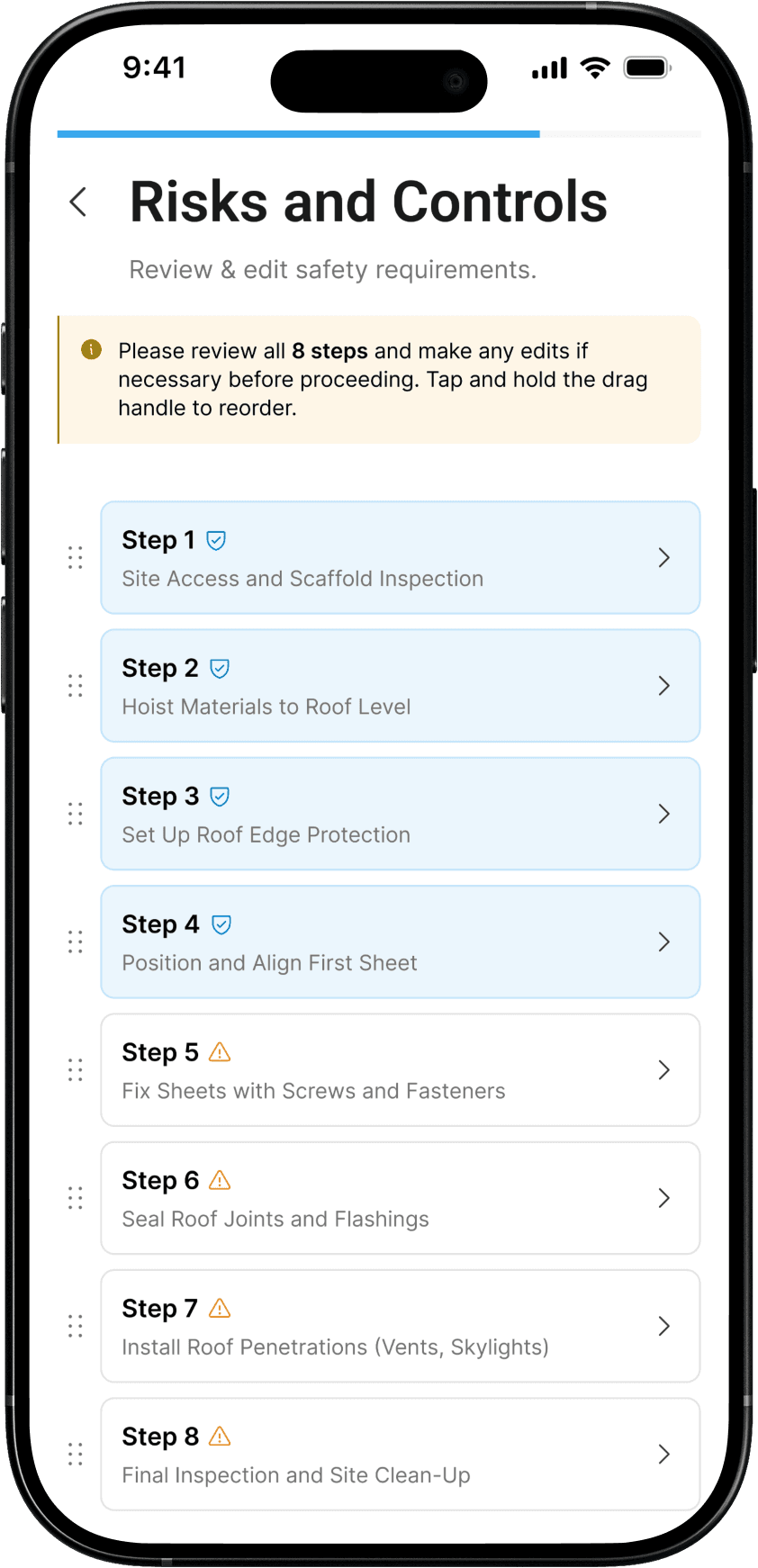
When trades can capture photos, notes, and fault details on their phone while standing in front of the machine, reporting becomes part of the job rather than extra paperwork.
When each report is linked to a specific asset through a QR code, a clear machine history builds over time. That history shows maintenance actions, past hazards, recurring faults, and implemented controls.
From a PCBU perspective, this creates clear evidence of risk management, stronger communication between shifts and teams, and long term preservation of operational knowledge.
Workex was designed around this exact challenge. Instead of treating safety and reporting as compliance only, it captures real world trade knowledge as it happens.
A supervisor can review photo based reports. A manager can see patterns in recurring issues. An apprentice can read past fault diagnostics linked directly to the asset. Safety documentation such as permits and SWMS can be completed within the same workflow.
-This reduces fragmentation and improves traceability-
Knowledge Capture and Operational Strength
One risk that often goes unnoticed is the loss of experienced trade knowledge.
When senior trades retire or move on, the reasoning behind past decisions can disappear with them. For a PCBU, that creates hidden risk. New workers may repeat mistakes because history was not accessible.
By capturing detailed reports, including voice to text inputs and structured templates, Workex turns everyday fault finding and maintenance work into a growing knowledge base.
That knowledge can be searched, reviewed, and supported by AI guided diagnostics. Over time, this strengthens consistency across teams and reduces reliance on memory alone. From a compliance perspective, it also demonstrates active management of risk rather than reactive paperwork after an incident.
Manufacturing sites increasingly rely on migrant and multilingual workers. Miscommunication can create serious safety exposure.
Digital reporting that can be translated and structured clearly reduces misunderstanding. When safety procedures, fault histories, and machine notes are accessible in multiple languages, the PCBU is better positioned to show that information was made understandable and available.
Many PCBUs see safety purely as a regulatory requirement. In reality, structured safety systems improve productivity.
When machine histories are clear, downtime reduces. When handovers are structured, confusion drops. When incidents and near misses are logged with photos and notes, root causes are easier to identify.
The PCBU role becomes less about chasing paperwork and more about leading a controlled, informed operation.
A PCBU carries serious responsibility. That responsibility cannot be delegated away or ignored. On a busy worksite, the difference between control and chaos often comes down to how clearly information is captured and shared. Strong systems protect people. They also protect the business.
When reporting is structured, accessible, and tied directly to assets and real work activity, the PCBU has visibility. With visibility comes control. And with control comes safer, more reliable performance over time.
For manufacturing businesses serious about compliance, productivity, and long term knowledge preservation, clear digital reporting is a practical foundation for meeting duty of care in the real world.