Safety
When SWMS Stop Reflecting Reality

Created by
Ian Cooper
When something goes wrong later and the paperwork does not match reality, the exposure becomes very real. So read this blog, understand the risks and become aware of the position you may be putting yourself and other into without the proper paperwork.
Operational strain and hidden exposure
On the surface, poor SWMS management can feel like an administrative issue. In reality, it creates operational strain and serious legal risk. When a SWMS does not accurately reflect site conditions, workers lose clarity. Supervisors lose visibility. The business loses protection.
Construction sites change constantly. Access points move. Plant changes. Trades overlap. Each of these changes can introduce new hazards that must be identified, reviewed, and acknowledged by every worker on site. When that does not happen, the gap between what is written and what is happening grows wider.
That gap is where incidents, disputes, and regulatory action occur.
SWMS requirements are not the same everywhere
One of the most common blind spots in construction is assuming that a single SWMS approach works across every site and every state. In reality, SWMS requirements differ from state to state. High risk work definitions, review triggers, and documentation expectations are not identical.
If a business is operating across multiple states and relying on static templates or old documents reviewed every 12 months, it is easy to fall out of alignment with local regulations. Non-compliance does not just mean a failed audit. It can mean fines, stop work notices, and personal liability for supervisors and directors.
Recent changes to high risk construction work requirements in New South Wales have reinforced this. Expectations around risk identification, ongoing review, and worker acknowledgment have increased. SWMS are expected to be living documents that reflect current site conditions, not paperwork completed once and forgotten.
Why traditional SWMS processes break down
Most teams try to manage SWMS with paper forms, PDFs, or static digital files. These systems assume the job will stay the same from start to finish. On a construction site, that is rarely the case.
When the job changes, the SWMS should be reviewed. Risks should be reassessed. Controls should be updated. Every worker should review and sign again. Doing this with paper is slow and disruptive. It often leads to shortcuts. Signatures are missed. Old versions stay in circulation. There is no clear audit trail showing who reviewed what and when.
In the event of an incident, this lack of clarity becomes a serious problem.
Reducing friction in SWMS management
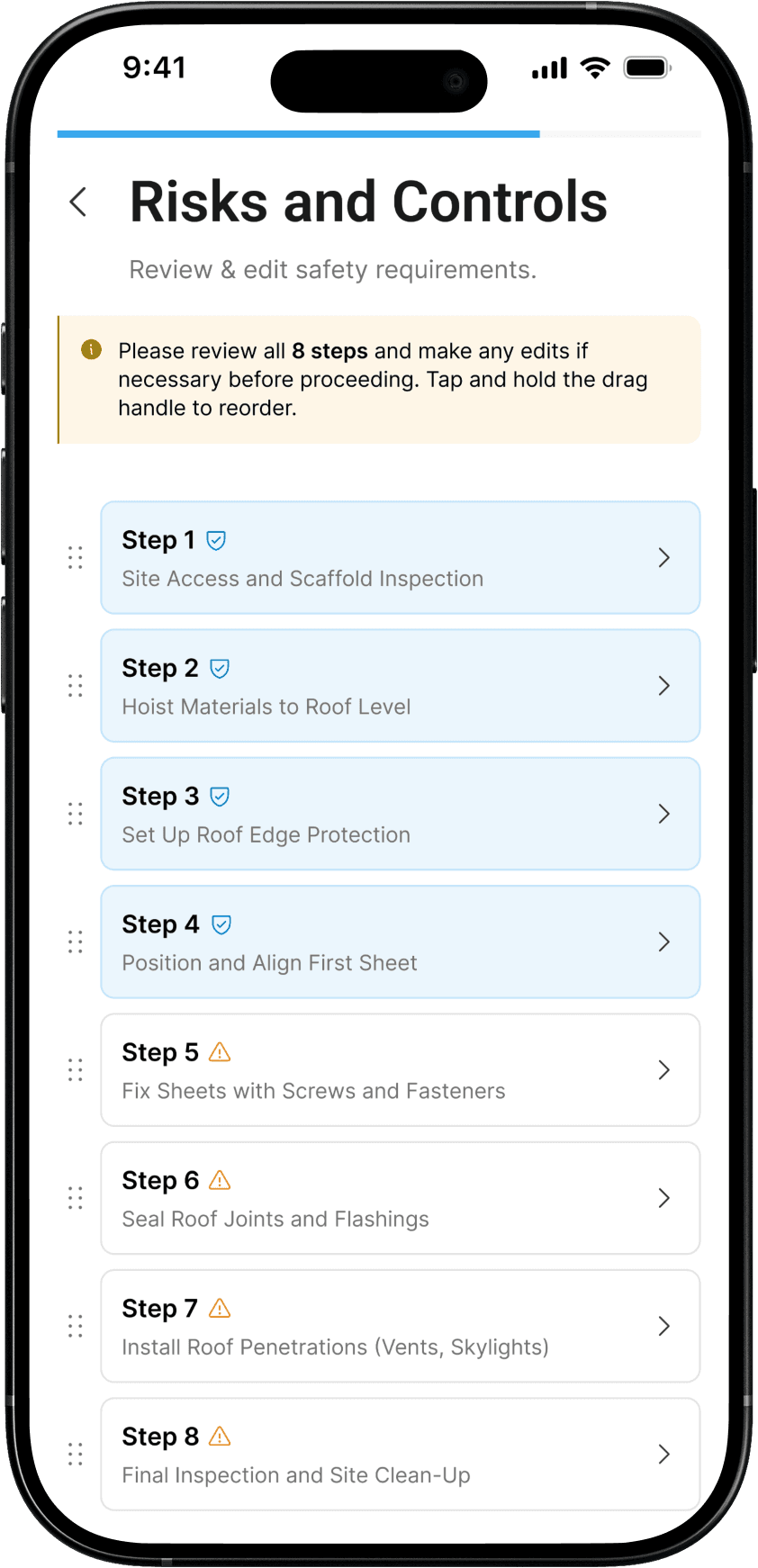
Better SWMS processes start with reducing friction. When reviews can be done on a phone while standing on site, updates actually happen. When supervisors can document changes as they occur, the SWMS stays aligned with reality.
Workex supports this by allowing SWMS to be reviewed, updated, and reissued digitally as conditions change. Workers can see the latest version immediately. Sign off is captured with a clear digital record showing who reviewed the document and when. There is no ambiguity and no reliance on memory.
Keeping SWMS aligned with current regulations
Construction regulations do not stand still. Requirements evolve and differ by jurisdiction. Workex maintains its SWMS generation processes by actively reviewing regulatory changes and applying them directly to the system workflows. This ensures that when a SWMS is created or updated, it reflects the current standards for the state the work is being performed in.
The result is consistency without complacency. Teams are not relying on old templates or outdated assumptions. They are working with documentation that matches today’s expectations, not last year’s.
Building a defensible audit trail
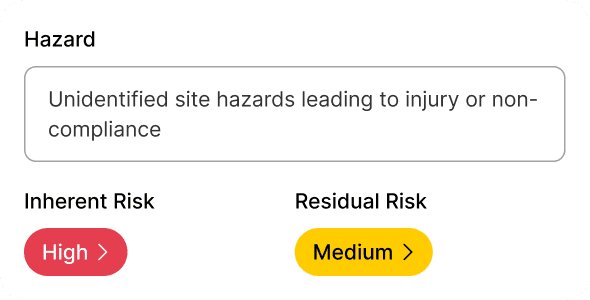
One of the most overlooked benefits of digital SWMS management is the audit trail. In Workex, every update, review, and sign off is logged. Supervisors can see exactly when a SWMS was reviewed, what changed, and which workers acknowledged the update.
This creates clarity during audits and confidence during investigations. It shows that risks were identified, reviewed, and communicated properly as conditions evolved on site.
Confidence through clarity
Poor SWMS do not just increase risk on the day. They leave businesses exposed long after the job is finished. When documentation is unclear or incomplete, it is impossible to demonstrate that work was planned and managed safely.
Clear, current, and well managed SWMS give teams confidence. Workers know what is expected. Supervisors know they are covered. Businesses know they are operating within the requirements of each state they work in.
The goal is not more paperwork. It is better visibility, stronger protection, and safer work. When SWMS are treated as living documents supported by practical digital workflows, they stop being a burden and start doing what they are meant to do. Protect people and protect the business.