Apprentice Retention
Standing Next to 46 Years of Experience and Wondering What Comes Next

Created by
Ian Cooper

There is a moment that hits harder than most on the shop floor.
You are standing next to someone who has done the job longer than you have been alive. They move with confidence. They know the sounds, the patterns, the shortcuts, and the risks without needing to think about it. Problems that stop others barely slow them down.
Then you realise something simple... There is no one coming through behind them.
The Disappearing Pipeline
For years, workshops were full of apprentices. First years learning the basics. Second and third years building confidence. Fourth years starting to carry real responsibility. Knowledge moved naturally because there were always people close enough to absorb it.
In many sites, it is hard to even find a trade assistant, let alone a pipeline of apprentices. At the same time, the people who carry the deepest knowledge are getting closer to stepping away from the tools.
This is not just a workforce issue. It is a knowledge issue.
When experienced trades leave, they do not just take labour capacity with them. They take years of decision making, problem solving, and practical understanding that was never written down. That creates a gap that is difficult to see until something goes wrong. Machines take longer to diagnose. Faults get repeated. Workarounds disappear. Small mistakes become bigger issues because the context behind the job is missing.
Why Traditional Approaches Fall Short
Most teams recognise this problem. The challenge is knowing what to do about it. Traditionally, the answer has been to hire more people or bring in external support. But that does not solve the core issue. If knowledge is not being captured and shared properly, the same problems keep repeating regardless of who is on site.
On many sites, reporting is still treated as a compliance task. Something that gets filled out quickly at the end of a job. Basic notes, limited detail, and often no real explanation of how a problem was solved.
That approach does not support learning. If a report does not explain what happened, why it happened, and how it was fixed, it cannot help the next person.
Turning Work Into Knowledge
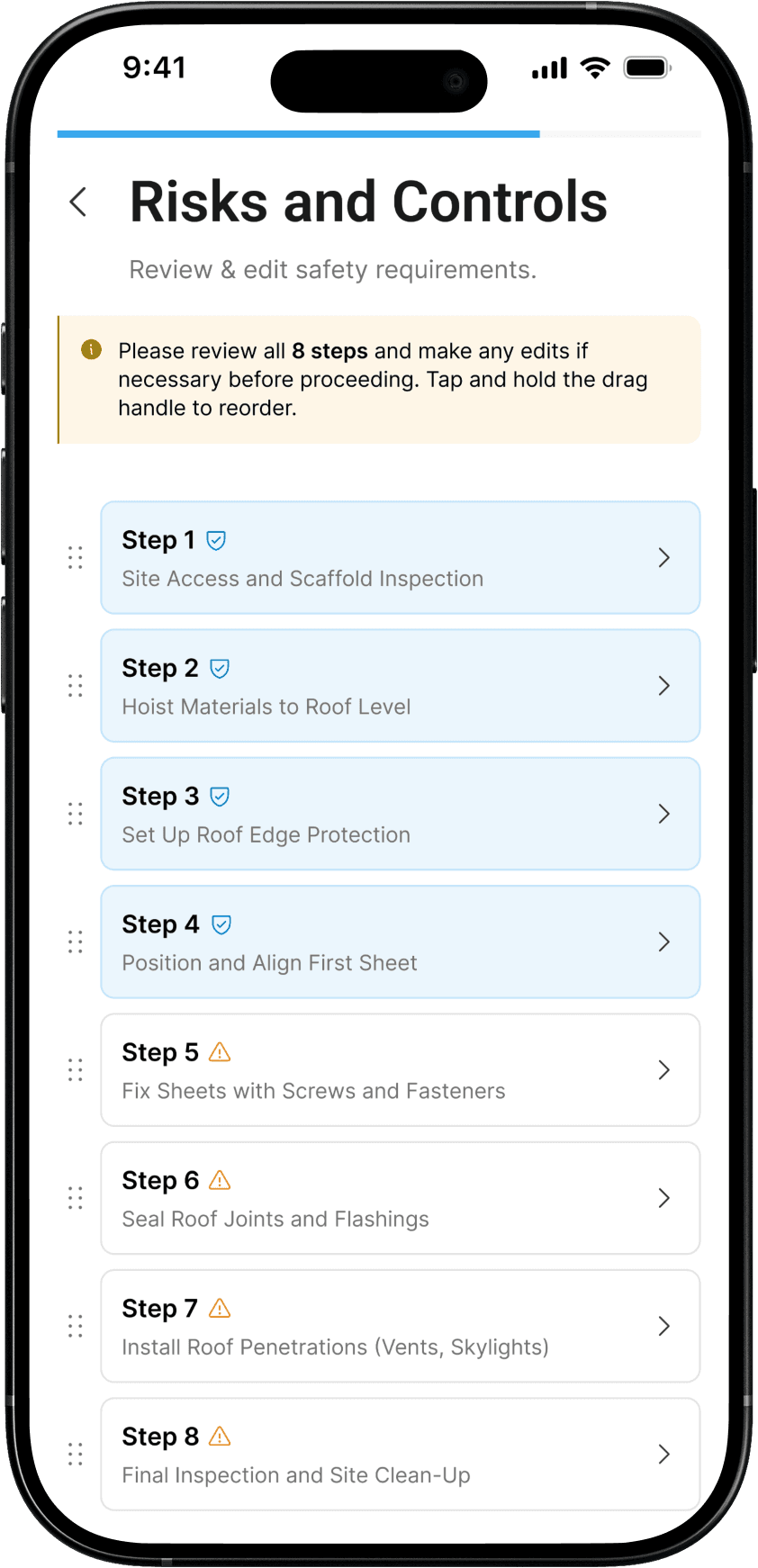
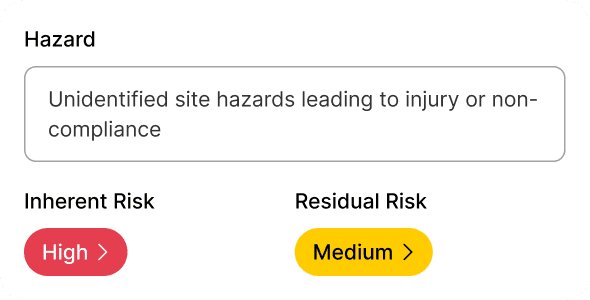
Structured digital reporting changes that. When trades can capture photos, add notes in real time, and link that work directly to a specific machine, the job becomes more than just a completed task. It becomes a record that others can use.
A clear history of faults. A trail of decisions. A set of real examples that show how work is actually done on that equipment, not just how it is supposed to be done on paper. With systems like Workex, that information is not buried in folders or lost in paperwork. It is tied directly to the machine through QR codes, making it instantly accessible on the floor.
A fitter standing in front of a fault can see what happened last time. What was tried. What worked. What did not. That alone changes how quickly and confidently work gets done. It also changes how new people learn.
Instead of relying purely on memory or hoping someone is available to ask, apprentices and less experienced workers can learn from real job history. They can see patterns. They can understand reasoning. They can build confidence faster because the knowledge is in front of them.
This is how the gap starts to close. Not by replacing experience, but by capturing it and making it available.
Supporting the Next Generation
Modern systems also take this further.
When reporting is consistent and structured, it can be analysed. Patterns can be identified. Recurring issues become visible. Guidance can be generated based on what has happened before.
In the case of Workex, this is where AI supported diagnostics come into play. The system learns from previous reports, manuals, and site specific data, helping guide trades toward likely causes and solutions.
At the same time, features like voice capture and multilingual reporting make it easier for every worker to contribute, regardless of experience level or background. That matters in an environment where teams are becoming more diverse and stretched.
Reporting stops being something you have to do, and starts becoming something that helps you work better.
What Comes Next
The bigger picture is hard to ignore. Manufacturers can no longer rely on the old model of learning by proximity alone. The number of experienced trades is shrinking, and the pipeline behind them is not keeping pace.
At some point, every business has to make a decision. Either accept the loss of knowledge as people leave, or start building systems that protect it. Training apprentices is part of that answer. It always has been. But training without structure, without visibility, and without shared knowledge limits how effective that training can be.
When knowledge is captured properly, every job becomes part of the training process. Every report contributes to a larger system that supports the next person. That is how capability grows over time.
The reality is, the industry is already feeling the impact of not investing in this. Longer downtimes. Repeated faults. Increased reliance on a shrinking group of experienced workers. These are not isolated issues. They are signals of a deeper problem.
The good news is that it is fixable!
By combining structured reporting, accessible knowledge, and tools that fit naturally into how trades already work, manufacturers can start to rebuild that lost connection between experience and learning.
Because standing next to 46 years of experience should not feel like standing next to something that is about to disappear. It should feel like standing next to something that is being captured, shared, and carried forward.
That is what keeps operations strong. That is what builds the next generation. And that is what ensures the knowledge on the floor does not leave when the people do.