PCBU Protection
What Actually Makes a Good Permit to Work System?

Created by
Ian Cooper

Most manufacturing sites have some form of permit to work system, but simply having a permit process does not mean it is doing its job well. A permit should be more than a document that gets filled out and signed before someone starts work. It should create a clear understanding of what work is being carried out, what hazards are involved, what isolations and controls are required, who is responsible for the work, and what needs to happen before the equipment can safely return to service. When the permit process does this well, it becomes a practical part of the job rather than an administrative task sitting beside it.
The problem is that permit systems can gradually become focused on proving that a process was followed rather than helping people control the work itself. Forms get longer, approval processes become more complicated, and workers can spend more time satisfying the system than communicating what is actually happening at the machine. A good permit to work system needs to achieve both outcomes. It needs to create a reliable record while also making the work clearer and safer for the people carrying it out.
If the Permit Does Not Reflect the Job, What Is It Really Controlling?
Maintenance work does not always follow the original plan. A job might begin as a straightforward repair and uncover another fault once the machine is opened. Another trade might need to become involved, an isolation may need to change, or production conditions around the work area may change while the job is underway. If the permit still describes the job as it was expected to happen several hours earlier, workers can end up relying on a document that no longer reflects the conditions in front of them.
A good permit to work system needs to account for this reality by making it clear what equipment is involved, what work has been authorised, what hazards have been identified, what controls are required, and what isolations need to remain in place. It also needs to provide a practical way of reviewing and updating that information when the scope or conditions change. The purpose should not simply be to prove that somebody completed the permit before starting. The permit needs to remain useful throughout the work.
Everyone Involved Needs to Be Working From the Same Information
Communication is one of the most important parts of any permit process, particularly when several people or departments are involved. Consider a machine that has been isolated for maintenance. The electrician may understand the electrical isolation, the fitter may understand the mechanical work, and the production supervisor may understand what is happening around the machine. A contractor could also be involved, while another maintenance crew might inherit the job during the next shift. Each person may understand their own part of the work, but that does not automatically mean everyone has the same understanding of the overall job.
A good permit system brings this information together and gives everyone involved a common reference point. This becomes particularly important during shutdowns, extended maintenance activities, contractor work, shift changes, and jobs involving several trades. When important information is spread across paperwork, verbal conversations, separate software systems, and individual memory, it becomes much easier for something to be misunderstood or missed completely. A clear permit process reduces that uncertainty by making the current status of the work visible to the people who need to know.
Capture the Information Where the Work Is Actually Happening
One of the weaknesses of traditional permit and reporting processes is the distance they can create between the work and the record of that work. If a tradesperson has to leave the machine, find a computer, remember what happened, enter the information into another system, and then return to the job, valuable details can disappear along the way. The worker may remember the major issue but leave out the smaller observations that could be important to somebody working on the same equipment in the future.
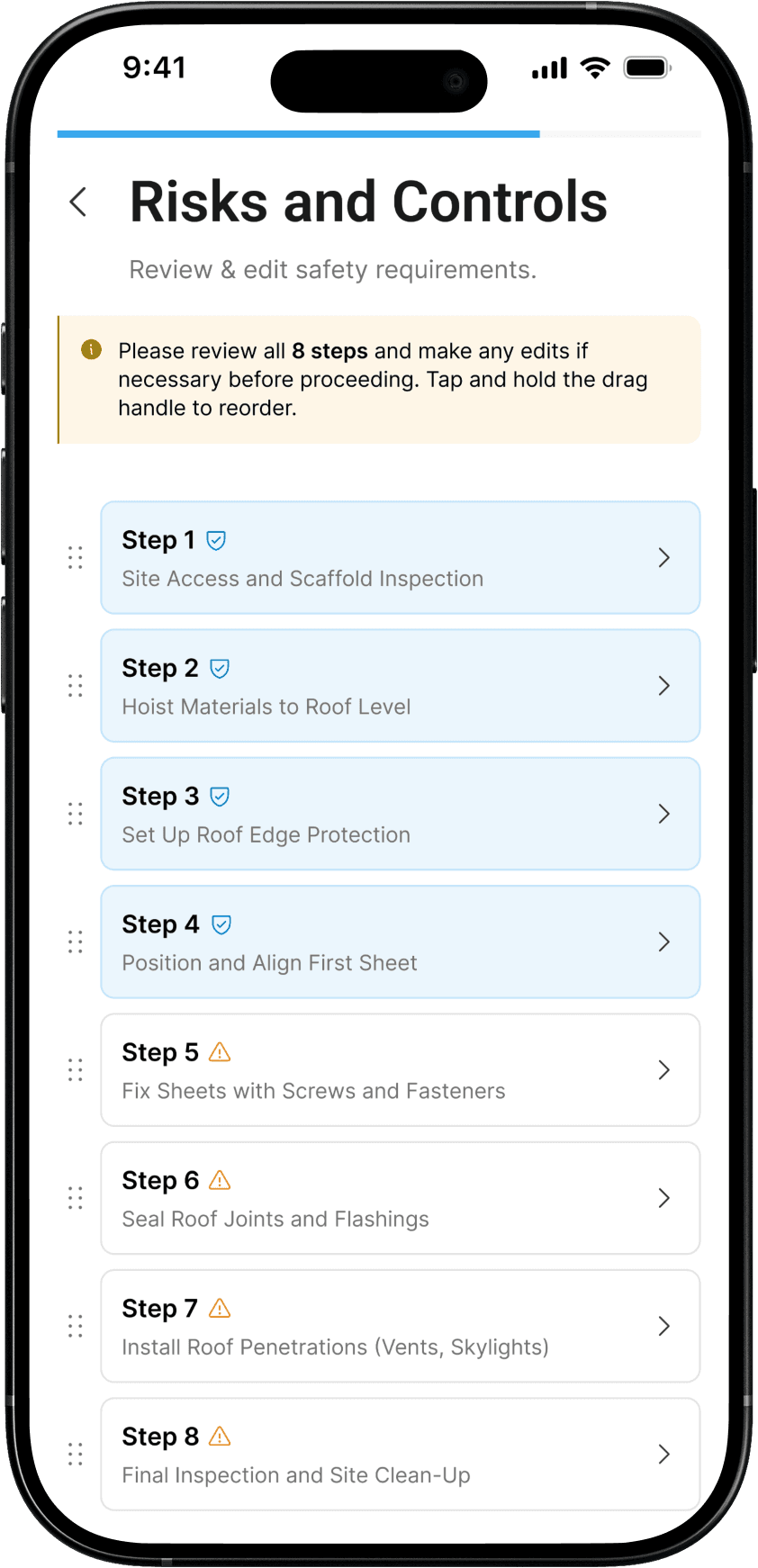
Mobile reporting gives workers the ability to capture information while they are standing in front of the equipment. Photos can show the actual condition of the machine, while notes can explain what has been identified, what controls are in place, and what changed during the work. Within a Workex style workflow, permits can sit alongside safety documentation, equipment reports, photos, notes, machine histories, and shift handovers. Instead of creating another isolated record, the permit becomes part of the wider information being captured around the equipment and the work being completed.
What Happened the Last Time Someone Worked on This Machine?
This is one of the most useful questions a tradesperson can ask before starting a job. Experienced workers often want to know whether somebody has seen the problem before, what was changed last time, whether there is anything unusual about the machine, and what previous workers discovered while carrying out similar work. Unfortunately, that information is often difficult to find because it is spread across old reports, maintenance systems, notebooks, emails, or the memories of the people who completed the previous job.
Connecting permits with a QR linked machine history gives workers more context before they begin. Scanning the equipment can provide access to previous reports, maintenance activity, modifications, photos, faults, and earlier repairs associated with that machine. A previous report might identify an unusual isolation point, explain a modification made during an earlier shutdown, or show through photographs how part of the equipment was configured before work started. Instead of depending on somebody remembering that information or finding the person who completed the job months earlier, the knowledge remains connected to the equipment where the next worker can find it.
Closing the Permit Is Just as Important as Opening It
A lot of attention naturally goes into making sure hazardous work starts safely, but the handback process deserves the same level of discipline. Before equipment returns to production, there should be confidence that the authorised work has been completed, tools and temporary equipment have been removed, guards have been returned to the correct position, workers are clear of the equipment, and isolations have been managed correctly. Production also needs to understand what condition the machine is being returned in and whether there are any outstanding issues that still require attention.
A digital permit and reporting workflow can create a much clearer record of this process. Photos can document equipment condition at handback, while notes can explain what work was completed, what was discovered, and whether anything still needs to be monitored or repaired. Those findings can then become part of the machine history and be carried into future maintenance reports or shift handovers. This means the information created during the job remains useful after the permit has been closed rather than disappearing into a completed document that is unlikely to be reviewed again.
A Permit Can Capture More Than Compliance
There is valuable trade knowledge created during maintenance work that many organisations never properly capture. An experienced tradesperson might discover that accessing a component requires a particular sequence, identify a recurring hazard, notice that a drawing is outdated, find an unusual isolation point, or work out a more effective way to diagnose a recurring fault. These observations are often learned through years of working with the equipment, yet they can easily disappear when the job finishes because there is nowhere practical for the worker to record them.
Structured digital reporting provides an opportunity to preserve this experience while the work is being completed. Photos, notes, equipment reports, phone based knowledge capture, machine histories, and completed work records can gradually create a practical knowledge base around each piece of equipment. AI supported diagnostics can then help workers find relevant information from previous reports and technical documentation when they encounter similar problems in the future. The same captured knowledge can support apprentices, new employees, contractors, and workers from different language backgrounds, helping practical experience move through the workforce instead of remaining with a small number of individuals.
A Better Permit System Should Make the Job Clearer, Not Harder
The quality of a permit to work system should not be measured by how many fields it contains, how complicated the workflow looks, or how many signatures are collected before work begins. It should be measured by whether the people involved actually understand the work and can control the risks properly. A worker should be able to understand what they are authorised to do, what could hurt them, what needs to be isolated or controlled, who else is involved, and what conditions need to remain in place while the job is underway.
Supervisors also need visibility without creating unnecessary reporting work for the people on the floor. They should be able to understand what work is underway, what stage it has reached, who is responsible, and whether conditions have changed. When information can be captured digitally at the job and shared through a structured workflow, the permit becomes easier to manage without losing the discipline and accountability that the process is supposed to provide.
The Real Value Is What the Next Person Knows
A strong permit to work system should protect people during the current job, but its value should not end when the permit is closed. Every maintenance task creates information about the equipment, the hazards around it, the work that was completed, and the practical experience of the people involved. Capturing that information properly means the next tradesperson does not always have to start with a blank page.
When permits are connected with machine histories, photos, maintenance reports, handovers, and frontline knowledge, the permit process becomes part of a much larger operational picture. It supports safer work and clearer communication today while gradually creating a more useful record for tomorrow. That is what a good permit to work system should ultimately achieve: give people the information they need to complete the job safely and leave the next person better informed than they were before.